How to Build Strong Vocabulary Through Reading

One of the most powerful ways children build vocabulary is through reading. When kids encounter words in stories, articles, and conversations, they learn not just what words mean—but how they are used. Vocabulary development doesn’t need to be forced or complicated. With the right approach, reading can become a natural and effective way to grow a child’s word knowledge.
Incidental vs. Direct Vocabulary Learning

There are two main ways children learn new words:

Direct vocabulary learning happens when we intentionally teach a word, explain its meaning, and practice using it.

Incidental vocabulary learning happens naturally when children encounter new words while reading, listening, or talking.

Both are valuable, but research and experience show that most vocabulary growth comes from incidental learning through reading. When children meet words in context, they are more likely to understand and remember them.

Choosing the Right Texts

Not all reading material supports vocabulary growth in the same way. To build strong vocabulary, it helps to choose texts that are:

  • Slightly challenging but not frustrating
  • Rich in descriptive language
  • Varied in topic and genre

Picture books, chapter books, nonfiction, and even magazines all expose kids to different types of words. The goal isn’t difficulty—it’s exposure.

When children read a variety of texts, they naturally encounter new words in meaningful ways.

Talking About Words While Reading

Conversation is one of the most effective tools for building vocabulary.

While reading together, you can:

  • Pause and notice interesting words
  • Ask, “What do you think that word means?”
  • Explain a word briefly in kid-friendly language
  • Connect the word to something familiar

You don’t need long explanations. A simple comment like,

“That means really tired,” or “That’s another way to say happy,” can make a big difference.

These small moments help children notice and remember new words.

Encourage Curiosity About Language

When kids ask about words, it’s a sign they’re engaged. You can encourage this by:

  • Wondering about words together
  • Looking up meanings when needed
  • Celebrating when your child uses a new word correctly

This builds a positive relationship with language and learning.


Writing Sentences With New Words

Reading introduces new words, but writing helps lock them in.

Simple ways to reinforce vocabulary through writing:

  • Write one sentence using a new word
  • Add the word to a journal entry
  • Make up a silly sentence using the word
  • Describe a picture using new vocabulary

The goal is use, not perfection. Even short writing activities help move words from recognition to real understanding.


Journaling as a Vocabulary Bridge

Journals are a natural place for children to practice new words. When kids write about their experiences, feelings, and ideas, they reach for language that helps them express themselves.

This gives vocabulary practice a real purpose—and makes learning feel meaningful instead of forced.

Strong vocabulary grows through exposure, conversation, and use. By choosing rich texts, talking about words, and encouraging simple writing, you can help children build word knowledge in a natural and supportive way.

Reading is more than decoding—it’s an opportunity to grow language, understanding, and confidence.

#educator #teacher #literacyadvocate #readingchangeslives #books #getlostinabook #justonemorechapter #idratherbereading #itstoogoodtostop #booklover #whatislifewithoutabook
Vocabulary Games You Can Play Without Flashcards

We are now in March, and I have shared four posts so far that I hope have been helpful and encouraging. If you are new to the blog, welcome! I’m so glad you’re here.

Before we dive into this month’s focus, let’s take a quick look back at what we’ve covered in January and February. You can click below to read the previous posts:

  • Post 1: 5 Simple Ways to Build Reading Confidence at Home
  • Post 2: What to Do When a Child Says “I Hate Reading”
  • Post 3: How Journaling Helps Kids Improve Writing Skills
  • Post 4: Easy Writing Activities for Kids Who Don’t Like to Write

This month, March, we are focusing on Vocabulary & Word Play. We’ll be exploring simple, engaging ways to help kids build strong vocabulary skills through games, reading, conversation, and writing—without pressure.

Let’s get started!

Vocabulary Games You Can Play Without Flashcards: Flashcards are a common tool for building vocabulary, but they don’t work for every child. For some kids, flashcards feel repetitive, disconnected, or boring. The good news is that vocabulary can be built in many engaging ways—through games, conversation, reading, and everyday activities. When learning words feels natural and fun, kids are more likely to remember and use them.

Why Flashcards Don’t Work for All Kids

Flashcards often focus on memorization without context. While this can work for some learners, others struggle because:

  • The words feel disconnected from real life
  • There is no meaningful use of the word
  • The activity feels like a test rather than learning

Vocabulary grows best when children hear, see, and use words in authentic ways.

5 Game-Based Alternatives to Flashcards

1. Word Detective

Choose a word of the day and challenge your child to:

  • Listen for it in conversation
  • Find it in books or signs
  • Use it in a sentence

This turns vocabulary into a fun scavenger hunt.


2. Would You Rather…

Use vocabulary in playful questions:

  • “Would you rather be exhausted or energetic?”
  • “Would you rather feel proud or relieved?”

This helps kids connect words to real feelings and choices.


3. Act It Out

Say a word and ask your child to act it out:

  • Stomp, tiptoe, sprint, freeze, wobble

Movement helps anchor meaning, especially for active learners.


4. Synonym Switch

Say a common word and challenge your child to think of another word that means the same thing:

  • big → huge, enormous, gigantic
  • happy → joyful, excited, cheerful

You can do this during car rides or while cooking.


5. Describe and Guess

One person describes an object or word without naming it. The other person guesses.

  • “It’s something you use when it’s raining…”
  • “It’s a feeling you have when something good happens…”

This builds expressive language and reasoning.

Using Conversation and Reading to Build Vocabulary

Some of the best vocabulary learning happens naturally.

During reading:

  • Pause and talk about interesting words
  • Ask, “What do you think that means?”
  • Connect the word to something familiar

During conversation:

  • Use rich language yourself
  • Gently introduce new words
  • Repeat and reinforce naturally

Kids learn words by hearing them used in meaningful ways.


Writing to Reinforce Vocabulary

Writing gives kids a chance to use new words, which strengthens understanding.

Simple ways to do this:

  • Write one sentence with a new word
  • Add the word to a journal entry
  • Make a silly sentence using the word

Even short writing activities help move words from recognition to real use.

Journaling as a Vocabulary Tool

Journals provide a low-pressure space for kids to experiment with new words. When children write about their experiences, feelings, and ideas, they naturally reach for vocabulary that fits what they want to say.

This makes vocabulary practice feel purposeful, not forced.

Vocabulary doesn’t have to be built through drills or flashcards. Through games, conversation, reading, and simple writing, kids can grow their word knowledge in ways that feel engaging and natural.

If you’re looking for an easy way to encourage vocabulary use through writing, a simple journal can be a great place for kids to practice using new words in their own voice.

#educator #teacher #literacyadvocate #readingchangeslives #books #getlostinabook #justonemorechapter #idratherbereading #itstoogoodtostop #booklover #whatislifewithoutabook
Easy Writing Activities for Kids Who Don’t Like to Write

When a child says they don’t like writing, it’s rarely about writing itself. More often, it’s about how writing feels—stressful, confusing, or too demanding. The good news is that writing doesn’t have to look like a worksheet to be meaningful. With the right approach, even reluctant writers can begin to engage.

Why Kids Resist Writing

Common reasons kids push back include:

  • Fear of making mistakes
  • Difficulty coming up with ideas
  • Fine motor fatigue
  • Feeling rushed or judged

Understanding the reason behind the resistance helps us choose better strategies.

1. Offer Choice Whenever Possible

Choice gives kids a sense of control. Try letting them choose:

  • The topic
  • The format (sentence, list, drawing + words)
  • The length

When kids have ownership, resistance often decreases.

2. Keep Writing Short and Manageable

Writing doesn’t need to be long to be effective.

  • One strong sentence is enough
  • A few words describing a picture counts
  • Timed “quick writes” reduce pressure

Short writing builds confidence and stamina over time.

3. Use Prompts Instead of Blank Pages

Blank pages can feel intimidating. Prompts give kids a starting point and reduce the mental load.

Good prompts:

  • Are open-ended
  • Connect to real experiences
  • Invite opinions or imagination

4. Pair Writing with Drawing

For many kids, drawing is a bridge to writing.

  • Draw first, then write about it
  • Label parts of a picture
  • Add one sentence to explain the drawing

This supports both creativity and language development.

5. Make Writing Part of Daily Life

Writing doesn’t only happen at a desk.

  • Write lists
  • Leave notes
  • Journal about the day

When writing feels useful and personal, it becomes more meaningful.

Journaling as a Low-Pressure Writing Tool

Journals work especially well for reluctant writers because they:

  • Offer structure without rigidity
  • Encourage personal expression
  • Remove the pressure of “perfect” writing

Over time, journaling helps kids see writing as something they can do.

Kids who don’t like writing often just need a different entry point. By keeping writing short, flexible, and meaningful, you can help reluctant writers build confidence—one small step at a time.

#educator #teacher #literacyadvocate #readingchangeslives #books #getlostinabook #justonemorechapter #idratherbereading #itstoogoodtostop #booklover #whatislifewithoutabook
How Journaling Helps Kids Improve Writing Skills

Many kids struggle with writing—not because they lack ideas, but because writing often feels overwhelming. From worrying about spelling to trying to organize thoughts, traditional writing assignments can shut kids down before they even begin. Journaling offers a different approach: one that builds writing skills gently, consistently, and with far less pressure.

Why Writing Feels Hard for Many Kids

Writing asks children to juggle multiple skills at once:

  • Thinking of ideas
  • Organizing thoughts
  • Forming letters or typing
  • Spelling and punctuation

When all of this happens at once, it’s no surprise that kids resist writing or feel frustrated.

How Journaling Is Different from Traditional Writing

Journaling removes many of the barriers that make writing feel stressful.

Unlike formal assignments, journaling:

  • Has no “right” or “wrong” answer
  • Focuses on ideas over mechanics
  • Encourages personal voice
  • Allows kids to write at their own pace

This freedom helps kids see writing as expression rather than evaluation.

Key Writing Skills Journaling Builds

Journaling may feel simple, but it strengthens important literacy skills over time:

  • Fluency: Writing regularly builds ease and stamina
  • Organization: Responding to prompts helps kids structure ideas
  • Vocabulary: Kids naturally use new words when writing about real experiences
  • Voice: Journals allow kids to sound like themselves

These skills transfer naturally into school writing tasks.

Starting Small Makes a Big Difference

Journaling doesn’t need to be long to be effective.

  • One sentence counts
  • A list counts
  • A drawing with a caption counts

Short, consistent writing is far more powerful than occasional long assignments.

Journaling Builds Confidence First

Confidence is often the missing piece in writing development. Journals create a safe space where kids can practice without fear of correction or grades. As confidence grows, so does willingness to write more.

Writing improves when kids feel capable and heard. Journaling creates that foundation by turning writing into a daily, manageable habit—one that supports growth without pressure.

If you’re looking for an easy way to encourage writing at home, a simple, kid-friendly journal can be a great place to begin.

#educator #teacher #literacyadvocate #readingchangeslives #books #getlostinabook #justonemorechapter #idratherbereading #itstoogoodtostop #booklover #whatislifewithoutabook
What to do when a child says “I Hate Reading”

Hearing a child say “I hate reading” can feel discouraging—especially when you know how important literacy is. The good news? That statement usually isn’t about reading itself.


Why Kids Say “I Hate Reading”

Often, kids mean:

  • “Reading feels hard.”
  • “I’m afraid of making mistakes.”
  • “I don’t like being corrected.”
  • “I don’t connect with the books I’m given.”

Understanding this helps us respond with support instead of pressure.


What Not to Do

  • Don’t force longer reading sessions
  • Don’t compare them to other readers
  • Don’t turn reading into a punishment

These approaches usually deepen resistance.


What Helps Instead

1. Change the Format
Try audiobooks, read-alouds, or graphic novels.

2. Lower the Stakes
Short reading sessions count. Even 5–10 minutes matters.

3. Build Connection
Read together. Talk about stories casually—no quizzes required.

4. Offer a Creative Response
Instead of asking questions, invite kids to:

  • Draw a favorite part
  • Write one sentence
  • Share a feeling about the story

Journaling as a Gentle Entry Point

Journaling gives kids a way to respond without pressure. There are no wrong answers, no grades—just space to think and express.


“I hate reading” is often a sign that a child needs support, not more instruction. With patience, flexibility, and low-pressure tools, reading can slowly become enjoyable again.

Let’s encourage our kiddos with being okay with making the reading experience a little different so that enjoy it and grow as a reader.

#educator #teacher #literacyadvocate #readingchangeslives #books #getlostinabook #justonemorechapter #idratherbereading #itstoogoodtostop #booklover #whatislifewithoutabook
5 Simple Ways to Build Reading Confidence at Home

Reading confidence doesn’t come from finishing harder books or reading faster. It comes from feeling safe, capable, and supported as a reader. When kids feel confident, progress naturally follows. If reading time has started to feel stressful in your home, these simple strategies can help rebuild confidence—without pressure.


1. Let Kids Choose What They Read

Choice matters. When kids get to select books that interest them, they’re more likely to stay engaged. Graphic novels, comics, joke books, and rereading favorites all count as real reading.


2. Read Aloud—Even After Kids Can Read

Reading aloud builds vocabulary, models fluency, and removes pressure. It also reminds kids that reading can be enjoyable and relaxing, not just work.


3. Focus on Effort, Not Mistakes

Correcting every word can chip away at confidence. Instead, praise effort:

  • “I love how you stuck with that page.”
  • “You didn’t give up—that matters.”

Accuracy improves with time; confidence needs protection now.


4. Encourage Rereading Favorite Books

Rereading builds fluency and familiarity. Kids often understand more deeply the second or third time through a text, which boosts confidence.


5. Add Gentle Reflection After Reading

A short reflection helps kids connect with what they read without turning it into an assignment. One sentence, a drawing, or a quick journal response is enough.

This is where journaling can be especially helpful—giving kids a safe space to respond without worrying about being “right.”


Building reading confidence doesn’t require long sessions or strict rules. Small, supportive habits make a big difference over time.

If you’re looking for an easy way to add reflection and writing without pressure, printable journals can be a great place to start

#educator #teacher #literacyadvocate #readingchangeslives #books #getlostinabook #justonemorechapter #idratherbereading #itstoogoodtostop #booklover #whatislifewithoutabook

A New Year! It is 2026!

It has been almost two full years since I last posted on this blog—but I am officially back and excited to be here again!

A fresh season also means a fresh look. The website will be getting a makeover soon, and my new home on the web is www.kgthestoryteller.com.

Going forward, my blog will focus primarily on literacy, as I am currently teaching Middle School Literature and Language Arts—and truly loving it. I’ll be sharing ideas, reflections, and strategies centered on reading, writing, and language development. And, every now and then, there will be a few sprinkles of life, fun, travel, and silliness, too.

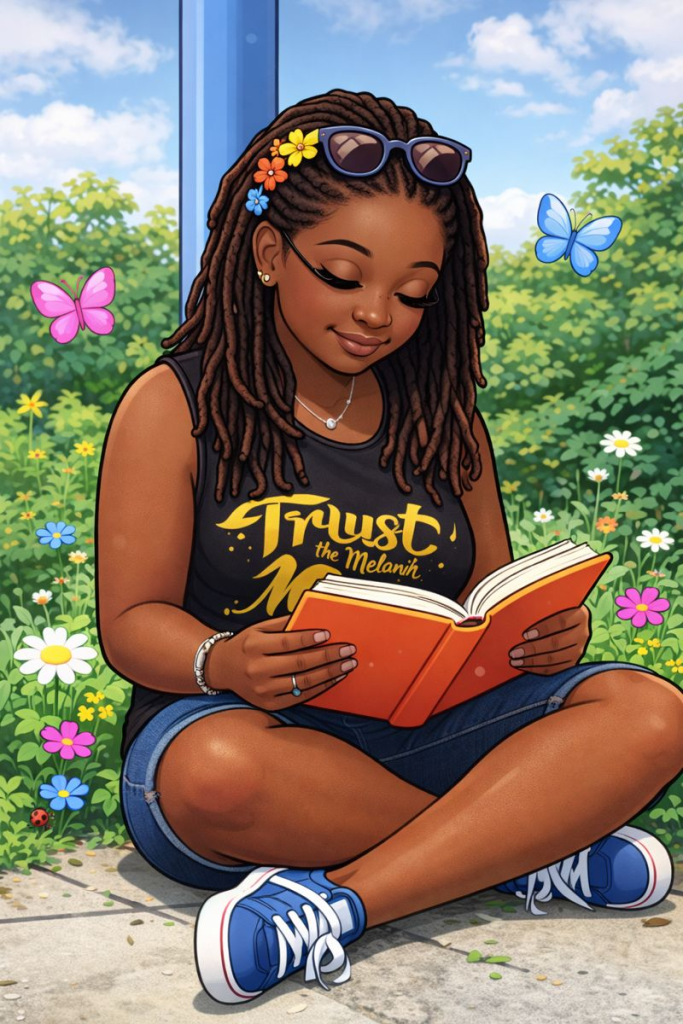
Cartoon illustration of an educator reading a book outdoors, representing a love of literacy and storytelling.

My current plan is to publish literacy-focused posts twice a month, during the 2nd and 4th weeks of each month. Be on the lookout for my first literacy post in just a few weeks.

Wishing everyone a very Happy 2026—I’m so glad you’re here.

If you’re a teacher, literacy lover, or lifelong learner, I hope you’ll stick around.

#educator #teacher #literacyadvocate #readingchangeslives #books #getlostinabook #justonemorechapter #idratherbereading #itstoogoodtostop #booklover #whatislifewithoutabook

What You Should Be Reading

I asked a plethora of people I know whats ONE book they would recommend that everyone should read. Since a lot of the people I know are #BookLovers they did not like that I said only one book. But here is the list we have created!

….multiple people said – THE BIBLE without a doubt – so this is at the top of the list! Next in no particular order is a list of books you should definitely read. And out of the 15 books shared I have only read 6 of them. So between this list and the list on leadership I have lots of options (along with what already in progress in my ibook and my physical books I’ve started). I hope you find this list interesting and find something you would like to read.

1: Homegoing by Yea Gyasi ( Recommended By Kamari) 

2: Paradise by Hanya Yangihara (Recommended By Kimber) 

3: The Overstay by Richard Powers ( Recommended By Meg S.) 

4: A Little Life By, Hanya Yangihara ( Recommended By Mahalia) 

5: Kindred BY, Octavia Butler ( Recommended By Althea) 

6: Jurassic Park ( Recommended By Nicole) 

7: Song of Solomon ( Recommended By Alex Gurley) 

8: Prayers for the Stolen by, Jennifer Clement ( Recommended By KG) 

9: The Travelers Gift by, Andy Andres (recommended by Jennifer) 

10: The Go Giver: A Little Story About a Powerful Business Idea  (recommended by Deatra) 

11: As I Lay Dying By, William Faulkner (recommend by Clem) 

12/13: People’s History of the United States & The Four Agreements  (recommended by Jasmine) 

14: Who moved my cheese (recommended by Nicole C)

15:  The Alchemist (recommend by Jarvis)

…I am still currently reading REJECTION PROOF – along with a few other books! #readingismyhappyplace

#FearlessinShanghai #Thankful #joychangeslives #KMarieTakesChina #BlackGirlMagic #KarlaGirlLivingLife #BlackGirlJoy #LivingMyLifeLikeItsGolden #ChinaorBust #ChinaAintReady #BlackInShanghai #BlackInChina #BlackAmericanInChina #LookOutWorldHereComesKarla  #KarlaGirlJoy #BlackGirlInShanghai #eatsleeppartyrepeat #givingisgood #givingisfun #WakandaForever #ShuriAndNakiaAndOkoye #MelaninMagic #Blessed #-FaithfulIsMyGod

“life is either a daring adventure or nothing at all”  – Hellen Keller

*I choose ADVENTURE*

Another 2 book shares!

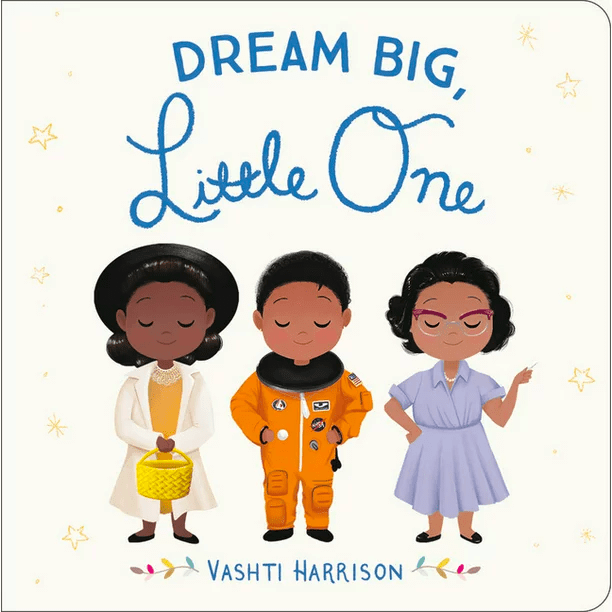
1: Dream BIG, Little One By: Vashti Harrison

This is an illustrated board book about BOLD women in Black History!

Check it out here https://www.amazon.com/Dream-Big-Little-Vashti-Harrison/dp/0316475092/ref=sr_1_1?crid=GMT0MRBFF3ZC&keywords=dream+big+little+one&qid=1676863939&s=books&sprefix=dream+big+little+one%2Cstripbooks%2C681&sr=1-1

___________________________________________________________________________

2: I Am Enough By: Grace Byers

This book is an ode to self confidence and kindness – – something we can all use an extra dash of!

Check it out here https://www.amazon.com/I-Am-Enough-Grace-Byers-ebook/dp/B086JXS83F/ref=sr_1_3?crid=3MHY0M5G9J86O&keywords=i+am+enough&qid=1676863965&s=books&sprefix=i+am+enough%2Cstripbooks%2C106&sr=1-3

#makingreadingmemories #DreamBigLittleOne #BlackAmericanAuthors #IAmEnough #bookstakeusonajourney #CelebratingTheBlackChild #readers #childrensbooks #stories #books #encouragingblackchildren #blackkids #families #representationinbooksmatters

How great are all these books!? So fun to build your at home library or gift a book to a family you know.

Books shared so far:

1: Bubber Goes To Heaven (Arna Bontemps)

2: M is For Melanin (Tiffany Rose)

3: Lesson’s From Ms. K’s Class (Karla M. Gurley)

4: Dear Black Boy (Marcellus Bennett)

5: The Adventures of Aya & Pete (Serena Minott)

6: Hair Love (Matthew A. Cherry)

7: Dream BIG, Little One By: Vashti Harrison

8: I Am Enough By: Grace Byers

Thanks for reading my blog and following my online journey! What are you reading this month?

I am reading: Rejection Proof (No it’s not a book by a Black Author, but I am enjoying it so far). It’s a fun and easy read all about overcoming fear and living boldly.

#FearlessinShanghai #Thankful #joychangeslives #KMarieTakesChina #BlackGirlMagic #KarlaGirlLivingLife #BlackGirlJoy #LivingMyLifeLikeItsGolden #ChinaorBust #ChinaAintReady #BlackInShanghai #BlackInChina #BlackAmericanInChina #LookOutWorldHereComesKarla  #KarlaGirlJoy #BlackGirlInShanghai #eatsleeppartyrepeat #givingisgood #givingisfun #WakandaForever #ShuriAndNakiaAndOkoye #MelaninMagic #Blessed #FaithfulIsMyGod

“life is either a daring adventure or nothing at all”  

– Hellen Keller

2 Book Shares!

I missed a week of sharing (due to birthday festivities) so here are two book shares that you may want to check out!

1: The Amazing Adventures of Aya & Pete By: Serena Minott

The Amazing Adventures of Aya & Pete tell the stories of a little girl named Aya, who travels the world with her parents and her buddy, Pete. This is a fun series

These are a series of books, but you can also find the individual options if you don’t want the entire series (https://www.amazon.com/Amazing-Adventures-Aya-Pete-Gift/dp/0999223658/ref=sr_1_1?crid=2FY4MG371TE61&keywords=the+amazing+adventures+of+aya+%26+pete&qid=1676862254&sprefix=the+amazing+ad%2Caps%2C145&sr=8-1

2: Hair Love By: Matthew A. Cherry

Hair Love, highlights the relationship of a father and his daughter and his experience doing her hair for the first time. There is a book and a short film to go along with it.

What a great book! Enjoy- Hair Love Link: https://www.amazon.com/Hair-Love-Matthew-Cherry/dp/0525553363/ref=sr_1_1?crid=2PPR1LDHDNJVJ&keywords=hair+love&qid=1676862540&sprefix=hair+love%2Caps%2C130&sr=8-1

: 2 Book Shares!

I am so happy to share two great books with you! I hope you enjoy them.

#makingreadingmemories #HairLove #BlackAmericanAuthors #TheAdventuresofAyaAndPete #bookstakeusonajourney #CelebratingTheBlackChild #readers #childrensbooks #stories #books #encouragingblackboys #blackboyjoy #families #representationinbooksmatters

Books shared so far:

1: Bubber Goes To Heaven (Arna Bontemps)

2: M is For Melanin (Tiffany Rose)

3: Lesson’s From Ms. K’s Class (Karla M. Gurley)

4: Dear Black Boy (Marcellus Bennett)

5: The Adventures of Aya & Pete (Serena Minott)

6: Hair Love (Matthew A. Cherry)

Thanks for reading my blog and following my online journey! What are you reading this month?

#FearlessinShanghai #Thankful #joychangeslives #KMarieTakesChina #BlackGirlMagic #KarlaGirlLivingLife #BlackGirlJoy #LivingMyLifeLikeItsGolden #ChinaorBust #ChinaAintReady #BlackInShanghai #BlackInChina #BlackAmericanInChina #LookOutWorldHereComesKarla  #KarlaGirlJoy #BlackGirlInShanghai #eatsleeppartyrepeat #givingisgood #givingisfun #WakandaForever #ShuriAndNakiaAndOkoye #MelaninMagic #Blessed #FaithfulIsMyGod

“life is either a daring adventure or nothing at all”  

– Hellen Keller